.png)
Home Buyer Pool Leak Check: What You Need to Know Before Buying a Home with a Pool
pool inspection checklist
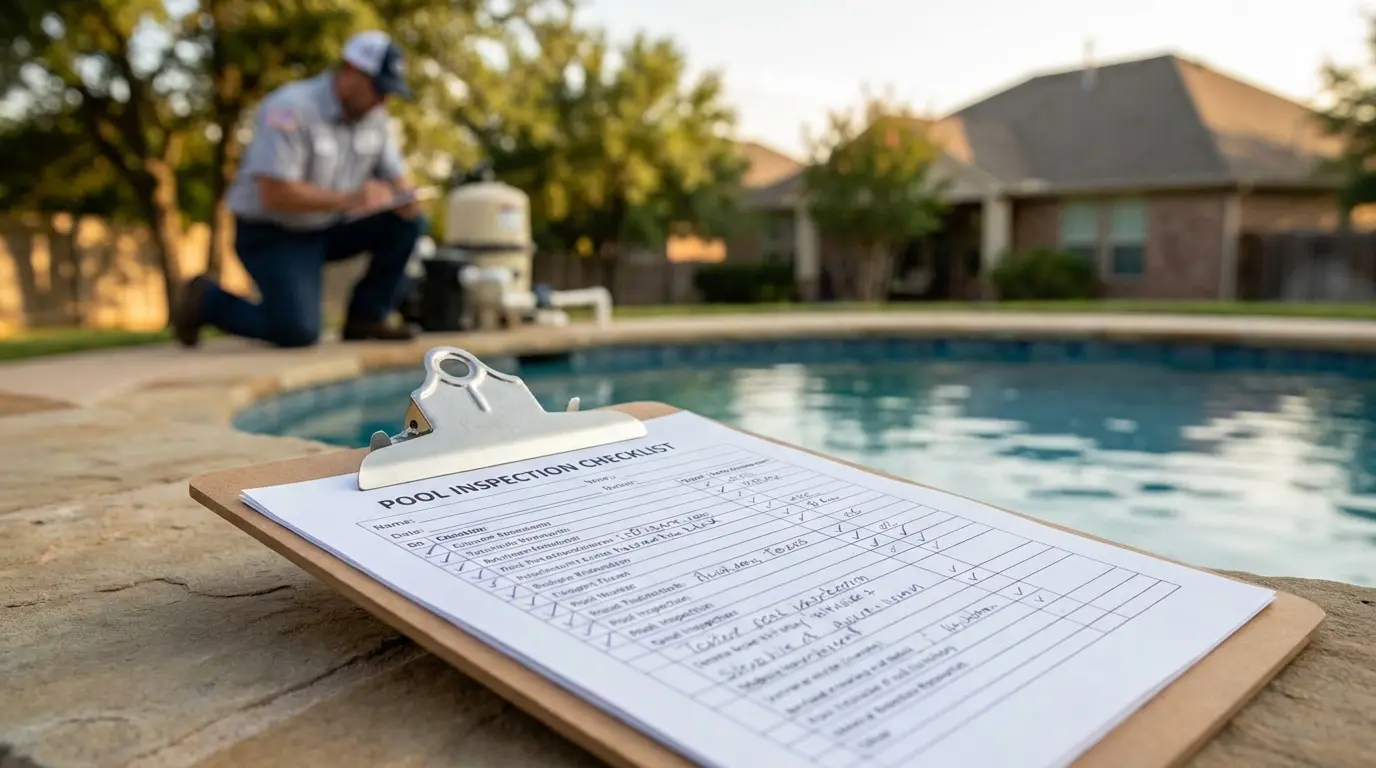
Buying a home with a pool in Austin, TX is one of the most exciting real estate decisions you can make. A backyard swimming pool adds value to the property, gives your family a private retreat from the Texas heat, and turns your home into the place everyone wants to visit. But before you sign the contract and start planning pool parties, there is one critical step that too many home buyers skip: a dedicated pool leak check.
A pool leak that goes undetected before closing becomes your problem the moment the keys change hands. What looked like a dream home with a sparkling pool can quickly turn into a financial headache when hidden leak issues, failing pool equipment, or underground leaks reveal themselves weeks after move-in. The repair bills land on you, not the seller.
At Austin Pool Leak Detection, we specialize in home buyer pool inspection and pool leak detection for buyers purchasing homes with pools across Austin, Lakeway, Buda, San Marcos, New Braunfels, and Canyon Lake. Our Leaktronics-certified pool inspectors give you a clear, honest picture of the pool's condition before you commit — so you can negotiate with confidence or walk away informed.
Why a Standard Home Inspection Is Not Enough for Homes with Pools
If you are purchasing a home with a pool, your general home inspector will likely include the pool in their walkthrough. They may turn on the pump, glance at the equipment, and note whether the water looks clean. But here is the reality: a standard home inspection is not designed to evaluate a swimming pool with any depth or precision.
A home inspector is a generalist. They are checking the roof, foundation, electrical, plumbing, HVAC, and dozens of other systems in a single visit. They are not trained in pool leak detection, they do not carry pressure testing equipment, and they are not qualified to assess the condition of the pool's underground plumbing, shell integrity, or equipment lifespan. A general inspection might note that the pool "appears functional," but that tells you almost nothing about whether the pool is leaking, how old the equipment is, or whether the pool structure has hidden damage.
A dedicated pool inspector — someone who specializes in swimming pool inspections and leak detection — evaluates the pool with the tools, training, and focus that a general home inspector simply does not have. For any home buyer looking at a house with a pool, this is the difference between buying with confidence and buying blind.
What a Home Buyer Pool Inspection Actually Covers
A professional home buyer pool inspection from Austin Pool Leak Detection is a thorough, systematic evaluation of every component of the pool system. Here is exactly what our pool inspector checks:
Pool shell and structure. We examine the entire pool shell for structural cracks, plaster deterioration, staining patterns, and settlement. We check the tile line, coping, and mastic joints between the coping and the surrounding deck for separation or failure. In Austin's expansive clay soil, even a relatively new pool can develop stress fractures from ground movement, and these cracks can damage the pool structure over time if left unaddressed.
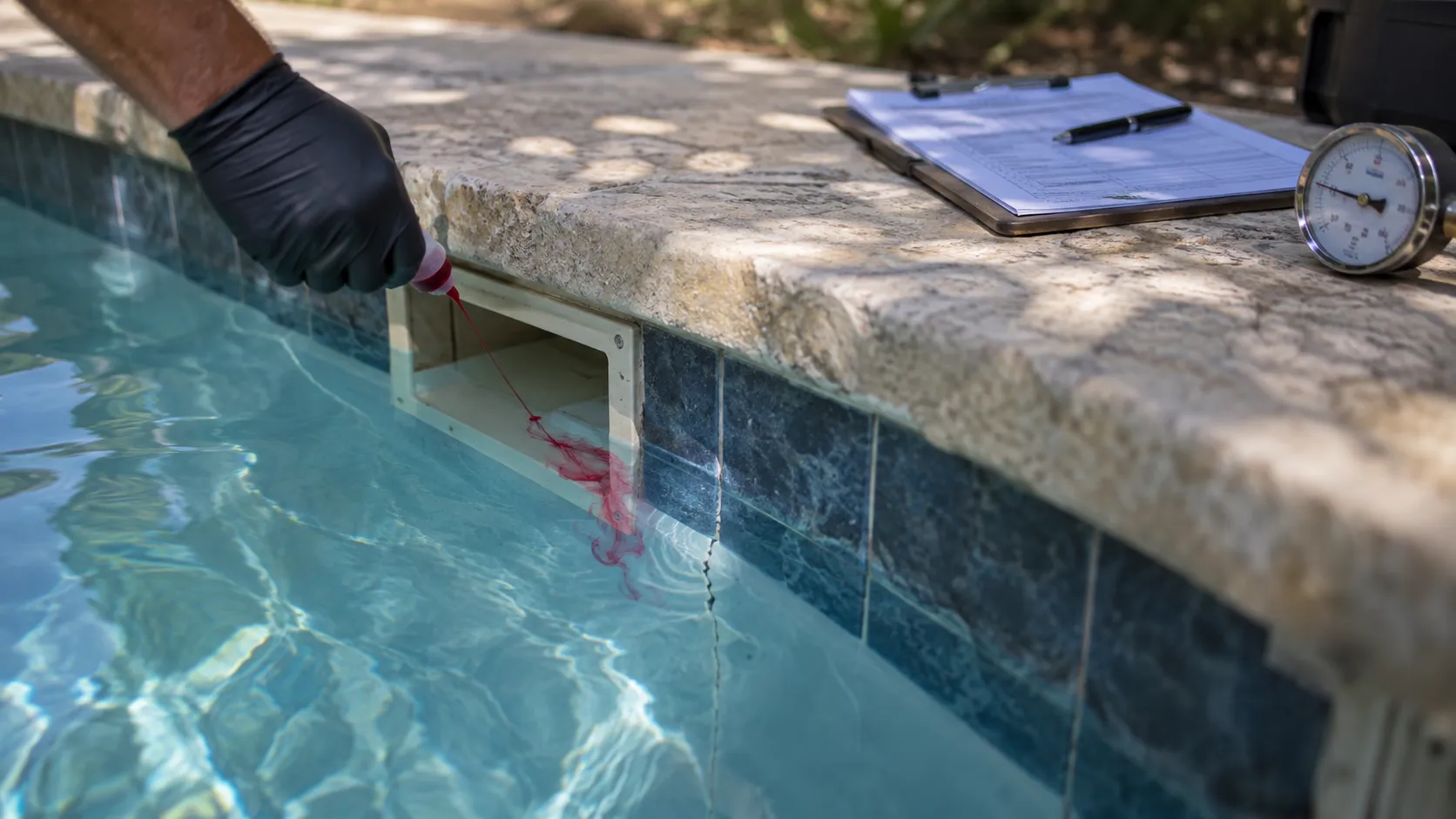
Plumbing lines and pressure testing. This is the most critical part of the inspection for detecting hidden leaks. We isolate each plumbing line — the main drain, skimmer lines, return lines, spa connections, and any water features — and pressure test them individually. A healthy line should hold approximately 20 psi without dropping. If pressure drops, the line has a leak. Without this step, underground leaks are virtually undetectable, and they are also the most expensive to repair after closing.
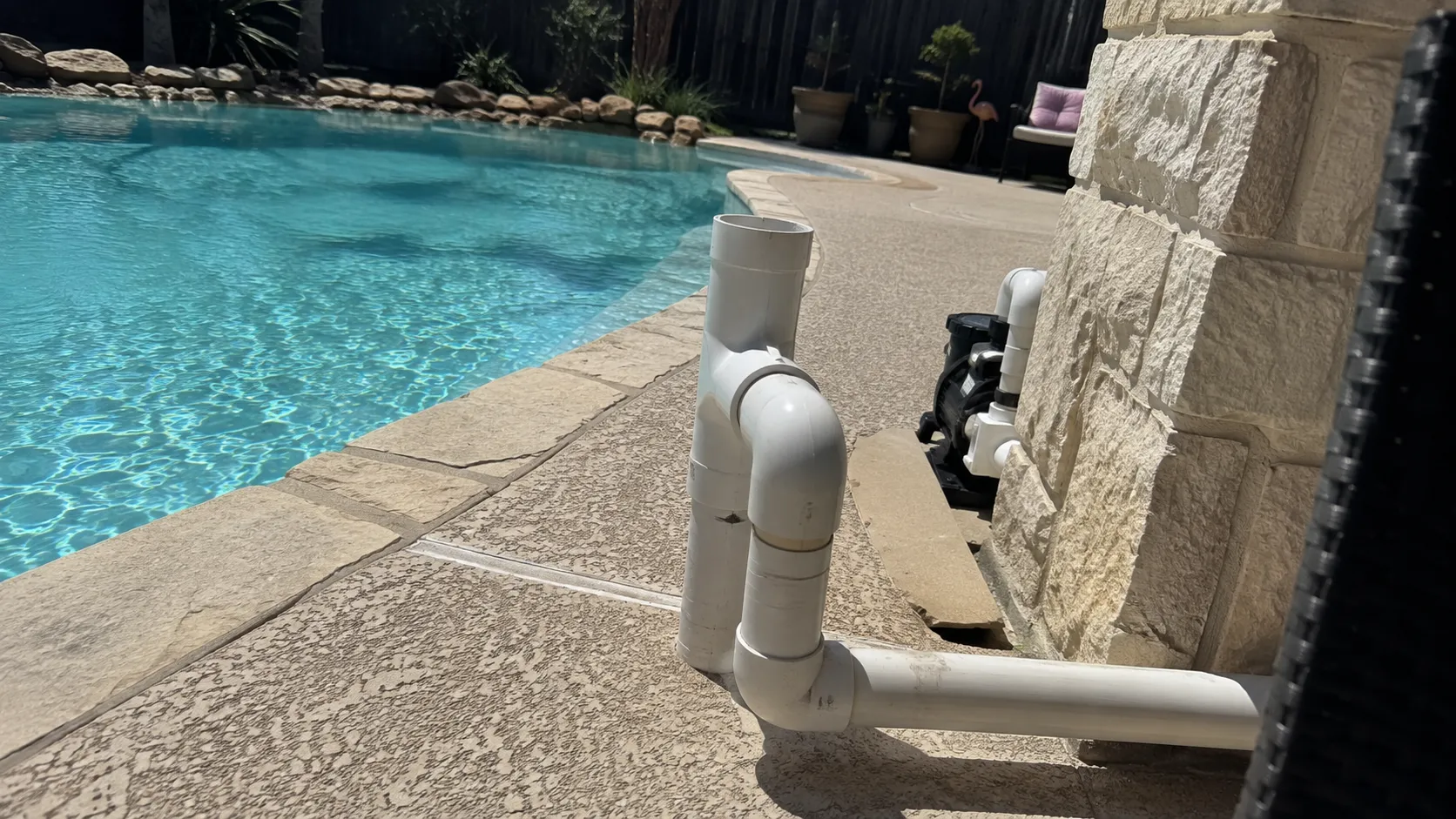
Pool equipment pad. We evaluate every piece of pool equipment: the pool pump, filter, heater, salt cell or chlorinator, automation system, and filtration components. We check for leaks at unions, valves, and the pump shaft seal. We assess the age and condition of each component and flag anything that is nearing end of life. Knowing that a pool pump has one season left or that the heater needs replacement helps you factor real costs into your offer — or request repairs before closing.
Skimmer and fittings. We inspect the skimmer body, throat, and faceplate for cracks and separation from the pool wall. We check every return fitting, drain cover, and pool light niche for signs of leaking or deterioration. These are among the most common pool leak locations, and they are easy to miss during a casual walkthrough.
Surrounding deck and drainage. We look at the surrounding deck for cracks, settling, and drainage issues that could indicate water has been escaping from the pool for an extended period. Wet areas around the pool, soft soil near the equipment pad, or erosion along the pool beam are all red flags that suggest active or recent leak issues.
Water level and evaporation check. We note the current water level and discuss recent water loss patterns with the seller or listing agent. If the pool's water level has been dropping faster than normal evaporation can explain, that is an immediate indicator that further leak detection testing is warranted.
The Leak Issues Home Buyers Miss Most Often
Some pool problems are obvious — a green pool, a cracked deck, or a pump that will not turn on. But the most expensive issues are the ones you cannot see without specialized equipment and training. Here are the leak issues that catch home buyers off guard most frequently:
Every one of these issues is detectable during a professional home buyer pool inspection. And every one of them gives you leverage to negotiate — either requesting the seller repair the pool before closing or adjusting the purchase price to reflect the true cost of pool ownership.
How a Pool Leak Check Protects Your Investment
Purchasing a home is the largest financial commitment most people make. When that home comes with a swimming pool, the pool itself can represent tens of thousands of dollars in additional value — or tens of thousands in hidden liability. A pool leak check before closing protects you in several important ways.
Negotiating power. If the inspection reveals a failing return line, an aging pool pump, or structural cracks that need attention, you have documented evidence to bring to the negotiation table. You can request the seller complete specific repairs, provide a credit, or reduce the sale price. Without the inspection, you have no leverage — and after closing, you have no recourse.
Accurate budgeting. Owning a pool comes with ongoing costs: chemicals, energy, maintenance, and eventual equipment replacement. A pool inspection tells you exactly where things stand so you can budget for the first year of pool ownership with real numbers, not guesses. Knowing the heater has two years left is very different from discovering it failed your first winter in the home.
Avoiding emergency repairs. The worst-case scenario for any homeowner is discovering a major pool leak or equipment failure weeks after moving in. Emergency pool repairs are expensive, disruptive, and often require hiring whoever is available rather than the best pool company for the job. A pre-purchase inspection catches these problems when you still have options.
Peace of mind. Buying a home is stressful enough. Knowing that the pool at the home has been professionally evaluated — that the plumbing holds pressure, the equipment is in good working order, the shell has no structural cracks, and there are no hidden underground leaks — lets you move in and enjoy your new pool without worrying about what might be lurking beneath the surface.
When to Schedule Your Home Buyer Pool Leak Check
The ideal time to schedule your pool leak check is during your option period. In Texas, the option period gives you the right to terminate the contract for any reason, so having your pool inspection results before that window closes gives you maximum flexibility. We recommend booking your appointment as soon as you go under contract.
If you are working with a real estate agent, let them know you want a dedicated swimming pool inspection in addition to the standard home inspection. Many agents are familiar with the process and can help coordinate timing. If your agent suggests the general home inspector can "cover the pool," push back — politely but firmly. A home inspector who spends five minutes looking at pool equipment is not performing a pool leak check. You need a certified pool inspector with leak detection equipment.
Austin Pool Leak Detection offers fast scheduling for home buyer pool inspections across Austin, Lakeway, Buda, San Marcos, New Braunfels, and Canyon Lake. Our detailed inspection report includes photos, pressure test results for every plumbing line, equipment condition assessments, and specific repair recommendations — everything you and your agent need to make an informed decision.
What If the Inspection Finds a Leak?
If our pool inspector identifies a pool leak during your home buyer pool inspection, that is actually good news — because you found it before closing, not after. Here is what typically happens next:
We document everything. Our report details exactly what was found, where, and how severe it is. Photos, pressure test data, and recommended repairs give you and your agent a clear picture to present to the seller.
You negotiate. Armed with a professional inspection report, you can request the seller hire a qualified pool company to repair the pool before closing, provide a repair credit at closing, or adjust the purchase price. Most sellers prefer to address documented issues rather than risk the deal falling through.
We can help with the repair. If the seller agrees to repairs, or if you decide to proceed with the purchase and handle repairs yourself, Austin Pool Leak Detection offers pool leak repair and leak detection services to ensure the work is done correctly. We can also re-test plumbing lines after repair to confirm the leak is resolved something not every pool company offers.
You walk away informed. In some cases, the scope of the pool problems may change your decision about the property. A pool with multiple underground leaks, a failing shell, and aging equipment may cost more to bring up to standard than the pool adds in value. Better to know that before you close than after.
Do Not Skip the Pool Leak Check
Every year, home buyers across Austin move into homes with pools and discover problems that could not find their way into a standard home inspection report. Failing plumbing lines that waste gallons per day. Equipment that breaks down within months. Structural cracks that worsen with every season of soil movement.
A professional pool leak check is your insurance against inheriting someone else's deferred maintenance. It takes a few hours, costs a fraction of what even a minor pool repair runs, and gives you the information you need to protect your investment and enjoy your dream home without surprises.
Whether you are buying your first house with a pool, upgrading to a larger property, or investing in a home with an inground pool and spa, do not assume the pool is in good shape just because the water is blue. Have it inspected by a certified pool inspector who knows how to assess the condition of the pool from the equipment pad to the plumbing lines to the pool finishes and everything in between. Our inspection service gives you facts, not assumptions.
Call Austin Pool Leak Detection today at 737-394-5325 to schedule your home buyer pool leak check. Fast scheduling, detailed reports, and honest answers so you can buy with confidence.
.png)